
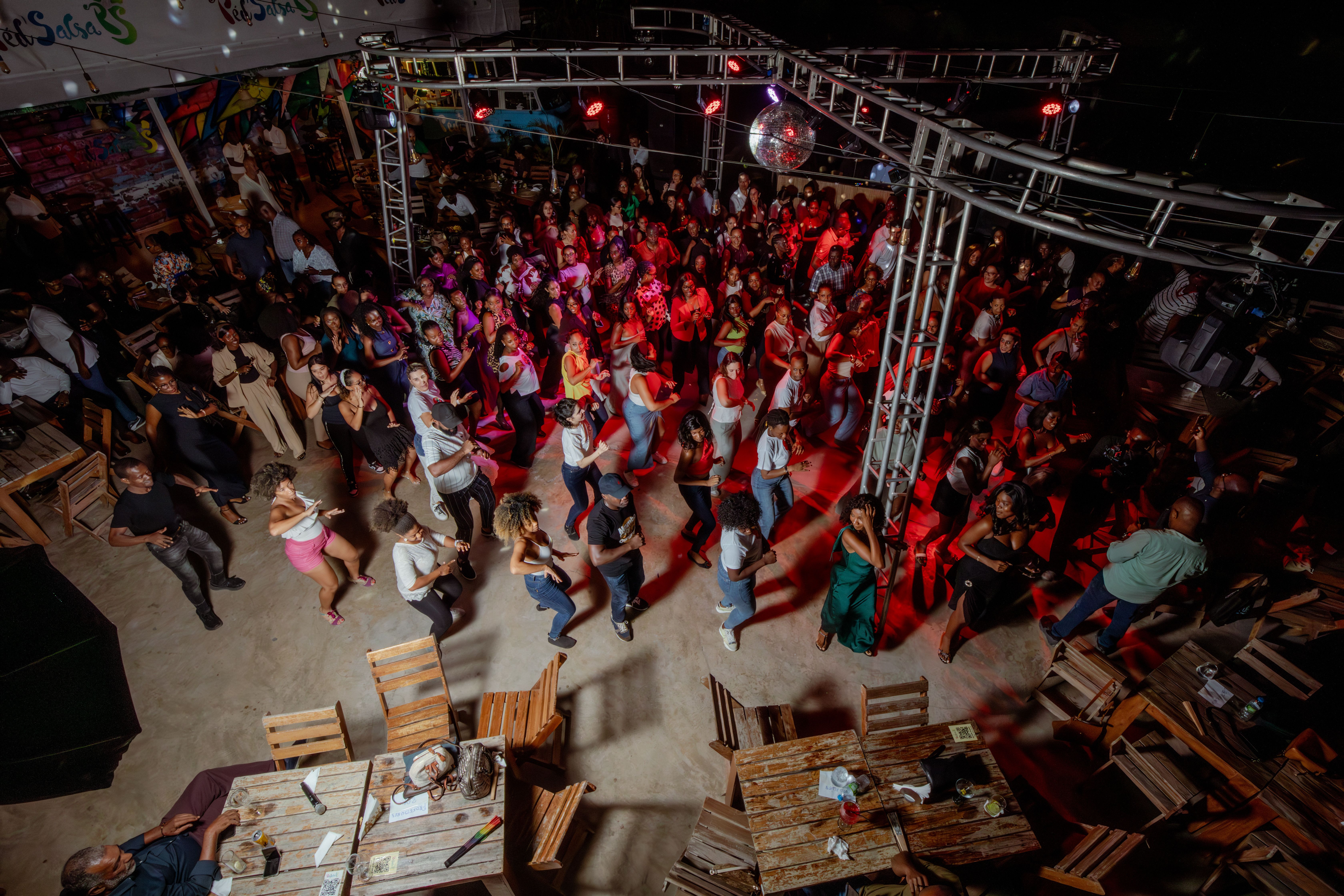
In 2026, the live music landscape is a thrilling fusion of cutting-edge virtual reality concerts and unparalleled in-person immersive experiences. Discover how to navigate the best ticket options, VIP packages, and digital platforms to optimize your concert-going adventure, whether you're seeking a metaverse mosh pit or a front-row physical spectacle. This comprehensive guide will help you compare options, book services, and find the ultimate concert experience tailored for you.
Introduction to the Topic
The year is 2026, and the world of live music has never been more vibrant, diverse, or technologically advanced. Gone are the days of a simple choice between a stadium show and a club gig. Today, fans face an exhilarating dilemma: plunge into the hyper-realistic, boundary-pushing realms of virtual concerts, or immerse themselves in the enhanced, multi-sensory spectacle of a physical event? The lines between reality and simulation have blurred, offering unprecedented access and experiences for every music lover.
From the comfort of your living room, you can don a VR headset and find yourself in a mosh pit on Mars with your favorite band, or teleport to a digital recreation of a legendary venue, interacting with avatars of friends from across the globe. Simultaneously, physical concerts have undergone a renaissance, incorporating augmented reality overlays, haptic feedback zones, and personalized VIP experiences that redefine what it means to be 'there.' This article is your definitive 2026 guide to navigating this thrilling new landscape, comparing the best options, uncovering top booking strategies, and ensuring you get the most value, whether you're buying virtual concert tickets or securing luxury festival packages.
Backgrounds & Facts
The seismic shifts of the early 2020s catalyzed an accelerated evolution in live entertainment. What began as a necessity during global lockdowns quickly blossomed into a legitimate, thriving parallel universe for music. By 2026, dedicated virtual concert platforms like 'Aethel Reality' and 'SonicVerse Pro' boast millions of subscribers, offering bespoke digital venues, photorealistic artist avatars, and real-time interactive elements. These aren't just streams; they are fully realized, immersive worlds where fans can socialize, explore, and even influence the show's progression through AI-driven engagement.
The global market for virtual events, once a niche, has exploded, with projections indicating it will rival traditional concert revenue streams within the decade. Artists are now designing entire albums with virtual performance spaces in mind, leveraging advanced motion capture and volumetric video to create digital twins that can perform endlessly across multiple metaverses. This technological leap has democratized access, allowing fans in remote locations or with mobility challenges to experience top-tier performances without the need for travel or prohibitive ticket prices.
Simultaneously, the physical concert experience has refused to be outdone. Venues have invested heavily in cutting-edge infrastructure. Imagine walking into a concert hall where your smartphone's AR overlay projects personalized visuals onto the stage, or a festival where haptic feedback zones let you *feel* the bass through the ground. Premium seating now includes personalized scent emitters synchronized with the music, and VIP concert packages often encompass bespoke travel arrangements, private chef experiences, and even pre-show holographic meet-and-greets with artists' digital personas. The focus has shifted from mere attendance to holistic, unforgettable immersion, making every physical event a truly unique spectacle.
Expert Opinion / Analysis
“The metaverse isn't replacing live music; it's expanding its very definition,” states Dr. Anya Sharma, CEO of 'Aethel Reality,' a leading VR concert platform. “In 2026, we're seeing artists embrace virtual stages not as a substitute, but as an entirely new canvas. It allows for artistic expressions impossible in the physical world – gravity-defying performances, interactive narratives, and truly global fan engagement without geographical limits. Our data shows that while ticket prices for premium VR events are often lower, the sheer volume of attendees and the potential for digital merchandise sales make it incredibly lucrative for artists.”
However, industry veterans emphasize the enduring appeal of the tangible. “There's an irreplaceable energy in a live crowd, a shared human experience that no amount of pixels can fully replicate,” argues Marcus Thorne, Head of Global Events at Zenith Promotions. “What technology has done is elevate the physical experience to new heights. We're seeing a massive demand for luxury music festivals and exclusive VIP concert tickets. Fans are willing to pay a premium for truly immersive, personalized experiences – whether it's a backstage AR tour or a curated culinary journey that complements the music. It’s about creating 'moments' that transcend the performance itself.”
Artist manager Lena Petrova adds, “Artists are now strategizing for dual-world tours. A physical tour might hit major cities, while a parallel virtual tour reaches millions globally, often featuring unique setlists or interactive elements tailored for the digital space. It’s about maximizing reach and revenue, but also about creative freedom. The key for fans is to understand what kind of experience they're seeking – raw energy or boundless imagination.”
💰 Best Options in Comparison (VERY IMPORTANT)
Choosing your ultimate 2026 concert experience requires understanding the diverse landscape of options available. Whether you're a budget-conscious music lover or seeking the pinnacle of luxury, there's a perfect fit. Here's a breakdown of the best options, designed to help you compare products and book services effectively.
-
Hyper-Realistic Virtual Concerts
For those prioritizing convenience, global access, and cutting-edge immersion from home.
- Premium VR Platforms (e.g., Aethel Reality, SonicVerse Pro): These dedicated platforms offer ultra-high fidelity graphics, realistic avatars, and often require a VR headset (Meta Quest 3, Apple Vision Pro, etc.). Features include real-time social interaction with other avatars, haptic feedback suit compatibility, and exclusive digital merchandise drops. Pricing is typically subscription-based (e.g., $19.99/month for unlimited access) or per-event tickets (ranging from $15-$50). Best for tech enthusiasts and those seeking accessible, repeatable experiences. Look for annual passes for the best value.
- Metaverse Music Worlds (e.g., Harmonic Realms on Horizon Worlds, Decentraland Soundstage): These open-world environments within larger metaverses allow for exploration and user-generated content alongside official artist events. While often less graphically intensive than dedicated VR platforms, they excel in persistent social spaces and NFT integration for access, unique wearables, or digital assets. Entry is often free, with costs arising from premium event passes or NFT purchases. Ideal for social butterflies, crypto enthusiasts, and those who enjoy a broader digital ecosystem.
- AR/Mixed Reality Overlays (e.g., Augmented Acoustics App): These applications enhance streamed concerts or even live physical events by projecting digital visuals, lyrics, or interactive elements onto your real-world view via smart glasses or phone screens. They bridge the gap between virtual and physical, offering an augmented reality experience. Pricing is usually a one-time app purchase or a low monthly subscription. Perfect for enhancing existing experiences without full VR immersion.
-
Immersive In-Person Experiences
For those craving the raw energy, human connection, and tangible grandeur of live events.
- Standard Concert Tickets: The classic experience, now often enhanced with improved sound systems, larger-than-life LED screens, and basic AR elements visible on stage. Prices vary wildly by artist, venue, and city, typically ranging from $50-$250. Best for the purist who values being in the room without needing all the frills. Look for early bird deals and official ticketing partners to avoid scalpers.
- VIP & Premium Packages (e.g., Platinum Pass, Artist Meet & Greet Ultra): These offer significantly elevated experiences. Expect early entry, dedicated lounges with premium food/drink, exclusive viewing areas, limited-edition merchandise, and unique interactions. Some packages include personalized AR experiences (e.g., a digital artist greeting triggered by your entry), private transportation, or even luxury accommodation bundles. Pricing starts from $300 and can easily exceed $2000 for top-tier offerings. Ideal for ultimate fans, luxury travelers, and those seeking an unforgettable, hassle-free experience. Compare offerings carefully as features vary widely.
- Festival & Destination Experiences (e.g., Tomorrowland XR, Coachella Beyond): Multi-day events that combine diverse music lineups with unique art installations, culinary experiences, and often integrated travel and lodging. Many festivals now feature hybrid physical/digital elements, allowing virtual attendees to interact with physical installations or vice-versa. These are often all-inclusive packages, with prices ranging from $500 to several thousand dollars for premium glamping or resort options. Perfect for social immersion, travel, and exploring multiple genres. Book well in advance for the best deals on flights and accommodation.
To help you decide, here's a detailed comparison table:
| Feature | Virtual Premium (VR) | Metaverse Worlds | Standard Physical | VIP Physical Package | Festival Package |
|---|---|---|---|---|---|
| Price Range (per event/sub) | $15-$50 (or $20/month) | Free to $100+ (for NFTs/premium) | $50-$250 | $300-$2000+ | $500-$5000+ (multi-day) |
| Immersiveness | High (visual, audio, haptic options) | Medium to High (exploration, social) | High (physical presence, crowd energy) | Very High (exclusive access, enhanced senses) | Very High (multi-day, holistic experience) |
| Social Interaction | Avatar-based, global, real-time chat | Avatar-based, open-world, persistent | Physical crowd, real-world connections | Exclusive lounges, artist interactions | Massive crowds, diverse social opportunities |
| Accessibility | Very High (from anywhere with tech) | Very High (from anywhere with tech) | Medium (requires travel, physical presence) | Medium (requires travel, physical presence) | Low (significant travel, time commitment) |
| Exclusivity | Digital items, limited edition drops | NFTs, unique digital assets | Limited tickets, unique moment | Private access, artist interactions, premium perks | Unique installations, limited packages |
| Travel Required | No | No | Yes | Yes | Yes (often significant) |
| Tech Required | VR Headset, strong internet | PC/Console, strong internet (VR optional) | Minimal (smartphone for AR optional) | Minimal (smartphone for AR optional) | Minimal (smartphone for AR optional) |
Outlook & Trends
The future of live music in 2026 and beyond promises even more astounding innovations. We're on the cusp of truly pervasive AI integration, where AI-generated visuals will respond in real-time to crowd energy, and personalized setlists could be curated based on individual fan data (with consent, of course!). Imagine an AI-powered virtual artist performing alongside your favorite band, learning and adapting to the live performance.
Haptic and sensory feedback technologies are rapidly advancing. Full-body haptic suits are becoming more affordable, promising a tactile dimension to virtual concerts. Scent emitters and localized temperature controls could soon bring environmental realism to both virtual and physical events, allowing you to smell the 'rain' during a melancholic ballad or feel the 'heat' of a pyro display. Hyper-personalization will extend to customized virtual environments for individual users, and even unique physical event pathways, guided by AR, that offer a bespoke journey through a venue or festival grounds.
Sustainability is also a growing trend across both realms. Virtual concerts inherently reduce carbon footprints by eliminating travel, while physical events are increasingly adopting green energy, waste reduction programs, and sustainable sourcing for merchandise and concessions. Furthermore, we anticipate greater artist-fan co-creation, with fans having direct input on virtual world designs, setlist choices, and even contributing elements to new tracks performed live, fostering a deeper sense of community and ownership.
Conclusion
In 2026, the world of live music is a kaleidoscope of choice, offering unparalleled experiences whether you prefer the digital frontier or the tangible thrill of a physical crowd. From budget-friendly virtual concert tickets to extravagant luxury festival packages, the options are designed to cater to every preference and purchasing intent. The decision no longer rests on 'if' you'll see your favorite artist, but 'how' – and 'where' in the ever-expanding universe of sound and spectacle.
By carefully considering your priorities – be it accessibility, immersion level, social interaction, or exclusivity – you can navigate this exciting landscape to find your perfect match. Embrace the technological advancements, explore the diverse platforms, and choose the experience that resonates most deeply with your musical soul. The future of live music is here, and it's calling for you to be a part of it. Start planning your ultimate 2026 concert journey today – whether it's a digital odyssey or a real-world spectacle, the future of music is truly boundless!