
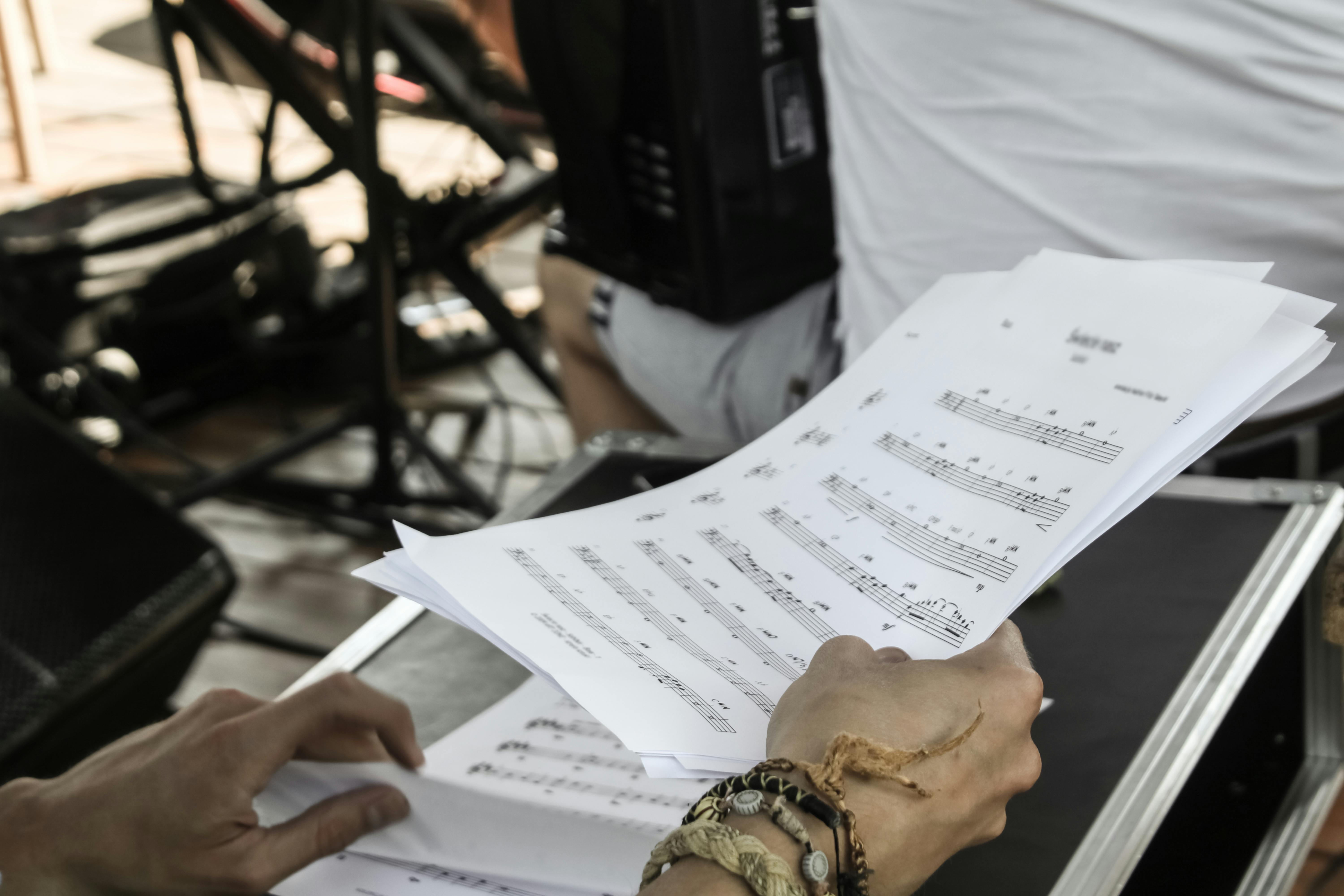
Dive into the revolutionary world of AI music creation in 2026. This comprehensive guide compares the leading AI music software platforms, helping aspiring artists, seasoned producers, and dynamic content creators choose the best tools to generate unique tracks, optimize their workflow, and maximize revenue. Discover the future of sound and make informed purchasing decisions today to elevate your musical journey.
Introduction to the Topic
The year is 2026, and the music industry is experiencing its most profound transformation since the advent of digital audio workstations. Artificial Intelligence (AI) is no longer a futuristic concept but a tangible, powerful partner for musicians, producers, and content creators worldwide. From generating intricate melodies and harmonies to crafting full-fledged orchestral scores and genre-specific beats, AI music creation software is democratizing the art of sound, making sophisticated production accessible to everyone. But with a rapidly expanding market, how do you navigate the myriad of options to find the platform that truly amplifies your creative vision and offers the best return on investment? This definitive guide from moviesprimetime.com is your essential roadmap. We’ll delve deep into the cutting-edge of AI music technology, compare the leading platforms, and equip you with the knowledge to make an informed purchasing decision that will propel your musical career into the future. Whether you’re an independent artist aiming for a viral hit, a film composer seeking efficient scoring solutions, or a podcaster needing bespoke background tracks, understanding the best AI music tools available in 2026 is paramount to your success and revenue generation.
Backgrounds & Facts
The journey of AI in music began decades ago with algorithmic composition, but the last five years have seen an explosive acceleration. Thanks to advancements in machine learning, particularly deep neural networks and generative adversarial networks (GANs), AI can now analyze vast datasets of existing music, learn intricate patterns, and generate original compositions that are virtually indistinguishable from human-made tracks. In 2026, these intelligent algorithms can perform tasks ranging from simple beat generation and melody improvisation to complex orchestration, vocal synthesis, and even adaptive music for video games and immersive experiences.
The market for AI music software is projected to reach billions by the end of the decade, driven by its unparalleled efficiency, ability to overcome creative blocks, and significant cost savings compared to traditional production methods. Major players in the tech world and innovative startups are pouring resources into developing sophisticated AI composers, intelligent mastering tools, and collaborative platforms. However, this rapid growth also brings challenges, notably around intellectual property and the ethical implications of AI-generated content. Who owns the copyright of an AI-composed piece? How do we ensure fair compensation for human artists whose styles might influence AI models? These are questions the industry is actively grappling with, setting the stage for evolving legal frameworks and new licensing models. Despite these complexities, the undeniable fact remains: AI is reshaping the soundscape, offering unprecedented creative freedom and powerful new revenue streams for those who embrace it.
Expert Opinion / Analysis
"The fear that AI will replace human creativity is largely misplaced," states Dr. Lena Petrova, a leading AI Ethicist and Music Technologist at the Global Institute for Digital Arts. "What we're witnessing in 2026 is a profound symbiotic evolution. AI music software isn't about replacing the artist; it's about augmenting their capabilities, acting as an unparalleled co-pilot in the creative process. Imagine having a virtual assistant that can instantly generate variations on a melody, suggest chord progressions in a specific style, or even orchestrate an entire section of your track in seconds. This frees up the human artist to focus on the higher-level creative decisions, the emotional core, and the unique human touch that AI, for all its sophistication, still cannot replicate."
Dr. Petrova emphasizes the democratization aspect: "For independent artists or those with limited budgets, AI music tools are game-changers. They can produce professional-quality demos, background music for content, or even full albums without needing extensive studio time or a large team of session musicians. This significantly lowers the barrier to entry, fostering a more diverse and vibrant music ecosystem. However, users must understand the limitations and ethical considerations. While AI can learn and mimic, it doesn't 'feel' or 'intend' in the human sense. The true artistry lies in how a human artist guides and curates the AI's output, infusing it with their unique voice and vision. The most successful artists in this new era will be those who master the art of human-AI collaboration, leveraging technology to amplify their unique creative genius and stand out in a crowded market." The competitive edge in 2026 isn't just about raw talent; it's about intelligent application of cutting-edge tools.
💰 Best Options in Comparison (VERY IMPORTANT)
Navigating the bustling landscape of AI music creation software in 2026 can be daunting. To help you make the best investment for your creative and financial goals, we’ve meticulously reviewed and compared the top platforms currently dominating the market. Each offers unique strengths tailored to different user needs, from professional producers to casual content creators.
- 1. SynthMind Pro (Premium Professional Suite)
- Description: SynthMind Pro is the industry standard for professional musicians, film composers, and sound designers. It’s a comprehensive, cloud-based platform that integrates seamlessly with leading DAWs like Ableton Live, Logic Pro X, and Pro Tools. Its generative AI engine is renowned for its deep customization, allowing users to fine-tune every parameter from timbre and rhythm to emotional arc and orchestral arrangement. SynthMind Pro excels in creating complex, multi-layered compositions across virtually any genre, offering unparalleled control and a vast library of high-fidelity sounds.
- Key Features: Advanced neural network composition, granular control over AI parameters, real-time collaboration tools, extensive sound library, VST/AU plugin support, AI-driven mastering suite.
- Pricing: Subscription-based, starting at $99/month for the Pro tier, with enterprise solutions available.
- Best For: Professional producers, film/game composers, sound designers, studios requiring high-fidelity, customizable AI-generated music.
- 2. TuneFlow AI (Creator's Choice & Content King)
- Description: TuneFlow AI has rapidly become the go-to platform for content creators, YouTubers, podcasters, and independent artists seeking quick, high-quality, and royalty-free music. Its intuitive interface and template-driven approach make it incredibly user-friendly, allowing users to generate bespoke tracks in minutes. TuneFlow AI specializes in adaptive music, enabling dynamic adjustments to tempo, mood, and instrumentation based on video length or narrative progression. It’s perfect for those who need a constant stream of fresh, unique background music without deep technical expertise.
- Key Features: Intuitive drag-and-drop interface, genre-specific templates, adaptive music generation for video, royalty-free licensing for all generated tracks, basic AI-driven vocal melody suggestions.
- Pricing: Freemium model; free tier with limited features and track length; Creator Pro subscription at $29/month or $299/year for unlimited downloads and advanced features.
- Best For: Content creators, YouTubers, podcasters, indie game developers, small businesses needing background music.
- 3. RhythmGenius (Beatmaker's Dream & Genre Specialist)
- Description: For producers and beatmakers focused on electronic, hip-hop, R&B, and dance genres, RhythmGenius is an indispensable tool. This platform leverages specialized AI models trained on vast datasets of contemporary urban and electronic music, allowing it to generate incredibly authentic and cutting-edge beats, basslines, and synth patterns. It offers advanced rhythmic manipulation, groove quantization, and intelligent drum programming, making it a favorite for those looking to inject fresh, AI-powered innovation into their productions.
- Key Features: Genre-specific AI models (EDM, Hip-Hop, Trap, R&B), advanced rhythmic and groove generation, intelligent drum machine, seamless loop creation, integration with hardware synthesizers via MIDI.
- Pricing: One-time purchase of $349 for the desktop application, with optional genre expansion packs at $49 each.
- Best For: Beatmakers, electronic music producers, hip-hop artists, DJs, and anyone specializing in rhythm-driven genres.
- 4. LyricSensei (Vocal & Melody Innovation)
- Description: LyricSensei stands out by focusing on the often-challenging aspect of vocal composition and lyrical generation. Utilizing sophisticated NLP (Natural Language Processing) and melodic AI, it can generate compelling lyrics in various styles and languages, then intelligently pair them with suitable melodies and harmonies. It's a groundbreaking tool for songwriters struggling with writer's block or artists looking to experiment with new vocal styles and lyrical themes. While it can generate instrumental backing, its core strength lies in its vocal-centric AI.
- Key Features: AI-driven lyric generation, intelligent melody and harmony matching, vocal synthesis (various voices/styles), rhyming dictionary, mood and theme analysis for lyrical content.
- Pricing: Monthly subscription at $45, with a 7-day free trial.
- Best For: Songwriters, vocalists, lyricists, artists exploring new vocal compositions, content creators needing spoken word or jingle generation.
Here’s a comparison table to help you quickly assess the best fit for your needs and budget:
| Platform | Target User | Key Strengths | Pricing Model | Best For |
|---|---|---|---|---|
| SynthMind Pro | Professional Producers, Composers | Deep customization, DAW integration, high-fidelity output, complex orchestration | Subscription ($99/month+) | Studio-level productions, film/game scores, advanced sound design |
| TuneFlow AI | Content Creators, YouTubers, Indie Artists | User-friendly, royalty-free, adaptive music, quick generation, templates | Freemium ($29/month Pro) | Background music for video/podcasts, quick demos, indie releases |
| RhythmGenius | Beatmakers, Electronic/Hip-Hop Producers | Genre-specific beats, advanced rhythmic control, intelligent drum programming | One-time purchase ($349 + packs) | Electronic, Hip-Hop, R&B, Dance track creation, unique grooves |
| LyricSensei | Songwriters, Vocalists, Lyricists | AI lyric generation, melody/harmony matching, vocal synthesis | Subscription ($45/month) | Overcoming writer's block, vocal experimentation, lyrical content generation |
Outlook & Trends
The future of AI music in 2026 and beyond promises even more mind-bending innovations. We anticipate a surge in hyper-personalized music experiences, where AI generates unique soundtracks tailored to an individual's mood, activity, or even biometric data in real-time. Imagine a jogging playlist that dynamically adjusts its tempo and intensity to match your heart rate, or a meditation track that evolves with your brainwave patterns.
Further integration with emerging technologies like the Metaverse and Web3 is also on the horizon. AI-generated music will play a crucial role in creating adaptive, immersive soundscapes for virtual worlds, and artists will explore new revenue streams through AI-assisted NFTs and decentralized music platforms. We'll likely see advancements in AI's ability to interpret complex human instructions, moving from parameter adjustments to understanding nuanced emotional cues and artistic intentions. The legal landscape will continue to evolve, with new frameworks emerging to address copyright, attribution, and ethical usage, potentially leading to hybrid licensing models where both human and AI contributions are recognized. The ultimate trend is towards a future where music creation becomes an even more fluid, accessible, and deeply personalized experience, blurring the lines between creator and listener, and opening up endless possibilities for artistic expression and commercial exploitation.
Conclusion
The year 2026 marks a pivotal moment in the history of music, driven by the transformative power of Artificial Intelligence. AI music creation software is no longer a niche tool but an essential component in the modern artist's arsenal, offering unprecedented efficiency, creative freedom, and pathways to revenue. From professional studios leveraging SynthMind Pro's advanced orchestration to content creators thriving with TuneFlow AI's royalty-free tracks, and specialized beatmakers finding their rhythm with RhythmGenius, the options are diverse and powerful. Even songwriters can find their voice with LyricSensei.
Choosing the right platform is a strategic decision that can profoundly impact your creative output and financial success. By understanding your specific needs, evaluating the features, and considering the pricing models outlined in this guide, you can confidently invest in the AI music software that best aligns with your artistic vision and business goals. Embrace this exciting new era of sound; the future of music is not just human, but a harmonious collaboration between human ingenuity and artificial intelligence. Don't just listen to the future—create it, and unlock new income streams along the way.