
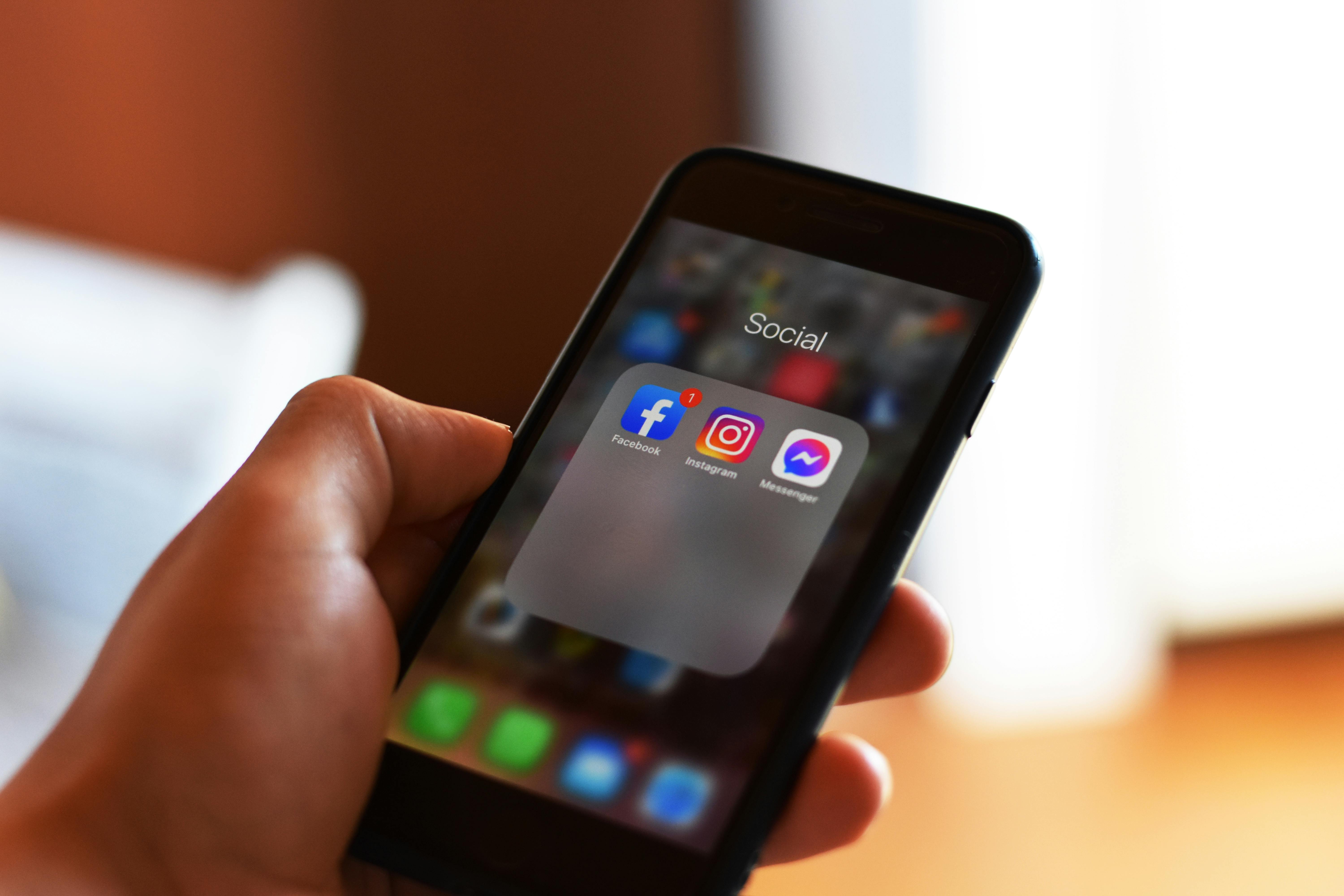
A short piece of audio can move from obscurity to ubiquity in days, carrying videos that have nothing to do with its origin. The mechanism is a template, and the platform supplies the tools that make copying trivial.
A sound is a format, not a piece of content
Video is difficult to copy because reproducing someone else's idea requires their setting, their timing and their execution.
Audio removes almost all of that. Anyone can attach the same clip to entirely different footage and still participate in the same joke.
The sound therefore functions as a shared structure into which each creator inserts their own material, which is why participation scales so quickly.
Platform tools make joining almost frictionless
Sounds are made searchable and linked, so any clip using one becomes an entry point to every other clip using it.
A viewer who enjoys one video can reach the full catalogue with a tap, and can start their own with the audio already loaded.
Removing those steps matters enormously, because most people who would participate will not do so if it requires finding and editing the audio themselves.
Ambiguity is what allows reuse
The sounds that spread furthest tend to be slightly open in meaning, so they can be applied to many different situations without losing force.
A clip tied tightly to one specific joke exhausts itself once that joke has been told, because there is nowhere else for it to go.
Sounds that carry a mood or a rhythm rather than a fixed meaning support thousands of variations, and each variation introduces the audio to a new audience.
Recognition compounds with exposure
Every additional video using a sound increases the number of people who recognise it, and recognition makes the next video slightly more effective.
That produces a period of accelerating growth, during which the audio appears across communities that share nothing except the platform.
The same dynamic guarantees the decline, since a sound heard constantly stops being a signal of belonging and starts reading as late.
The origin usually disappears
Because the audio travels detached from its source, most people using it have never seen where it came from and could not identify it if asked.
Songs are frequently discovered through a fragment used in an unrelated context, and the trend can be over before the full track is widely heard.
This has changed how music is promoted, since a track's usefulness as a template now matters alongside how it works as a song.